A premium-looking haircut is not simply about having short sides, a sharp fade, or perfectly styled hair. It is about the small details that work together to create a clean, balanced, confident appearance. The right haircut complements your face shape, works with your natural hair texture, suits your lifestyle, and remains attractive even after several days of growth.
Many men believe that an expensive haircut automatically produces a better result. However, the real difference often comes from the barber’s technique, attention to detail, understanding of hair growth, and ability to communicate with clients. From the first consultation to the final mirror check, every step contributes to the finished look.
For men searching online for a Barbershop Near Me, understanding these professional techniques can help them choose a barber who prioritizes quality rather than simply completing a haircut quickly. Whether you prefer a classic side part, a modern textured crop, a low taper, or a skin fade, the secrets behind a premium finish remain surprisingly consistent.
For men in Vaughan and nearby communities, MEN ZONE provides a local option to explore professional haircuts and grooming services. Knowing what makes a haircut look exceptional can help you get more value from every appointment and maintain a polished appearance between visits.
1. The First Secret Is a Proper Hair Consultation
One of the biggest differences between an ordinary haircut and a premium-looking result happens before the clippers even touch your hair.
A professional consultation allows the barber to understand your expectations. Rather than relying on vague instructions such as “make it short” or “give me a fade,” a skilled barber asks questions about your preferred length, styling routine, previous haircut experiences, and the overall appearance you want to achieve.
For example, two men may request the same fade but have completely different expectations. One might want a subtle, low fade that looks appropriate in a professional workplace. Another may prefer a high skin fade with a dramatic contrast between the sides and top.
A proper consultation helps clarify these differences.
Reference photographs can also make communication easier. Bring one or two pictures showing the haircut you like, preferably from different angles. Your barber can explain which details will work with your hair type and which may need adjustment.
The consultation should also consider how much time you spend styling your hair each morning. A haircut that looks excellent after ten minutes of styling may not be practical for someone who wants to get ready in two minutes.
A reliable barber does not simply copy a photograph. They interpret the style and adapt it to your individual features.
2. Precision Fading Makes a Major Difference
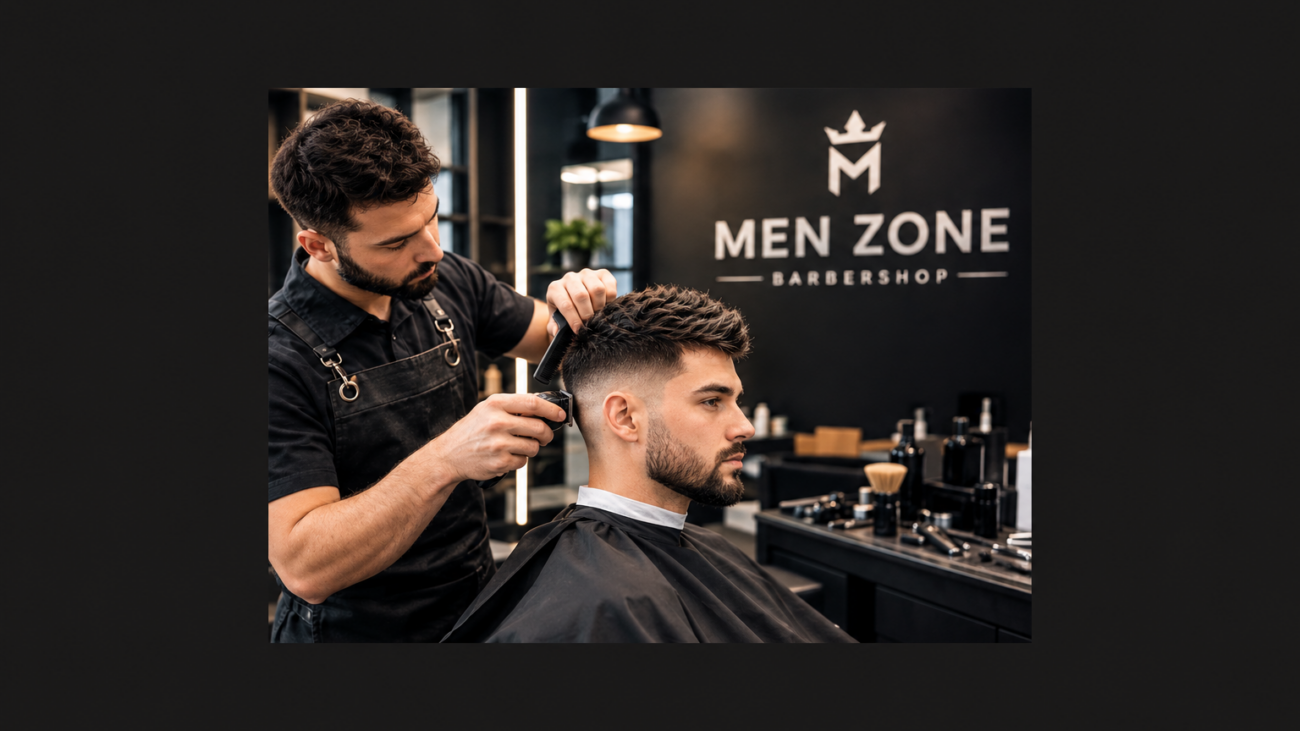
A well-executed fade is one of the clearest signs of professional barbering. Although fades may appear simple from a distance, achieving a smooth transition between different hair lengths requires patience, control, and a strong understanding of clipper technique.
The goal is to create a gradual change in length without leaving unwanted dark bands, visible guidelines, or uneven patches.
Understanding low, mid, and high fades
A low fade starts closer to the ears and neckline, producing a more understated appearance. A mid fade creates a balanced contrast, while a high fade removes more length from the upper sides and creates a bolder finish.
None of these options is automatically better than the others. The best choice depends on your preferred style, hair density, head shape, and maintenance preferences.
A premium fade also requires careful blending around the temples, behind the ears, and across the back of the head. These areas can reveal inconsistencies that are less noticeable from the front.
An experienced barber checks the haircut from several angles and adjusts the blend where necessary.
If you are looking for a Barber Vaughan clients can return to for consistent results, pay attention to the finished transition rather than judging a haircut only by its initial sharpness. Smooth blending and balanced proportions are often more important than an extremely short starting length.
3. Face Shape Should Guide the Haircut
A haircut can be technically clean but still look unbalanced if its proportions do not complement the client’s face.
This is why professional barbers consider facial structure before recommending a style.
Oval faces
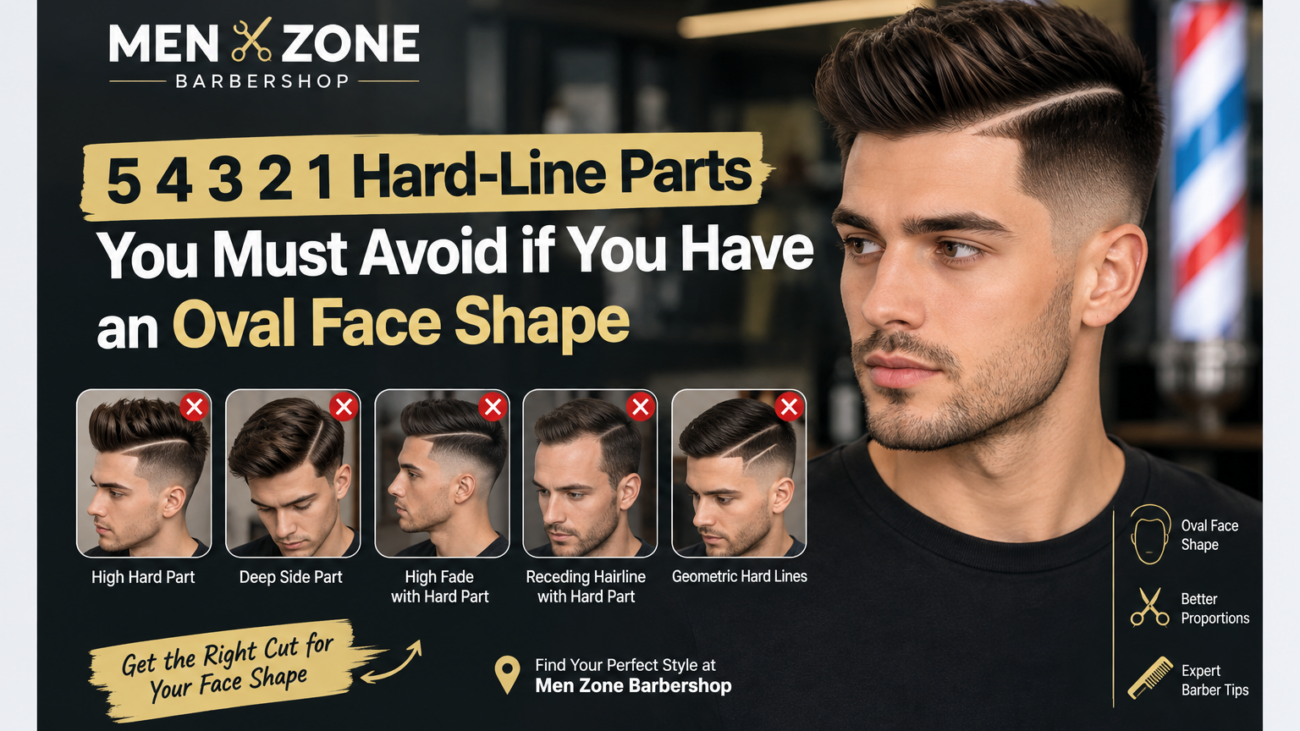
Oval faces generally work well with many hairstyles, including textured crops, side parts, quiffs, and tapered cuts. The main objective is to maintain balanced proportions rather than creating unnecessary height or width.
Round faces
Men with rounder faces may prefer styles that introduce some height or definition on top. A carefully shaped fade can reduce visual bulk around the sides, while a textured top creates a more structured appearance.
Square faces
Square faces often suit clean, structured haircuts. A crew cut, classic taper, or carefully shaped crop can complement a defined jawline without making the overall appearance feel too heavy.
Longer faces
Men with longer faces may prefer moderate volume and softer proportions. Excessive height combined with very short sides can sometimes make the face appear longer.
These are useful starting points rather than strict rules. Hair texture, personal preference, and styling habits also influence the final result.
A skilled barber explains the available options and helps you select a cut that feels natural rather than forcing you into a popular trend.
4. The Hairline and Neckline Reveal the Details
The finishing work around the hairline and neckline can transform the overall appearance of a haircut.
A clean lineup creates definition around the forehead and temples. A carefully tapered neckline makes the back of the haircut appear neat without creating an unnecessarily harsh edge.
However, precision does not mean making every line as sharp as possible.
The hairline should be respected rather than pushed back simply to create a more dramatic appearance. Likewise, the neckline should complement the haircut’s shape and the client’s natural hair growth.
A barber who understands these details knows when to create a crisp outline and when to leave a softer, more natural finish.
Sideburns deserve similar attention. Their length and shape should connect smoothly with the haircut and, when applicable, the beard.
These small finishing touches help create a haircut that looks complete from every angle.
When comparing a Barbershop In Kleinburg with other local grooming options, consider whether the barber pays attention to these finishing details. A consistent approach to outlines, sideburns, and neckline shaping can make a noticeable difference in the final result.
5. Working With Natural Hair Texture Is Essential
Every client’s hair behaves differently. Straight hair may fall flat, curly hair can shrink as it dries, and thick hair may develop unwanted bulk around the sides or crown.
A premium-looking haircut accounts for these differences instead of treating every head of hair the same way.
Straight hair
Straight hair often benefits from thoughtful layering and texture. These techniques can help create movement and prevent the haircut from looking too heavy or flat.
Wavy hair
Wavy hair can provide natural volume and definition. A suitable cut works with the existing wave pattern rather than forcing the hair into a shape that requires constant correction.
Curly hair
Curly hair requires attention to shrinkage, curl definition, and overall shape. Cutting technique and the amount of length retained can significantly affect the finished appearance.
Thick hair
Thick hair may need strategic bulk removal to prevent a rounded or overly heavy silhouette. The objective is to preserve structure while making the style easier to manage.
Fine hair
Fine hair often benefits from a cut that creates the appearance of fullness without removing too much density. Heavy products and excessive layering may make some fine hairstyles look flatter.
Understanding hair texture also helps the barber recommend suitable styling methods. The most successful haircut is one that works with your natural hair rather than constantly fighting against it.
6. Scissor Work Adds Shape and Movement
Clippers are essential for many modern men’s haircuts, but scissors play an equally important role in creating a premium finish.
Scissor work allows a barber to refine the top, control weight, create layers, and shape the hair around the crown and fringe.
For example, a textured crop requires a different approach from a traditional side part. The crop may need movement and separation, while the side part often requires controlled length and a smooth, deliberate shape.
Point cutting can soften the ends and introduce texture. Layering can help remove excess weight while preserving the overall length. Other techniques may be used to connect the top with the sides.
The correct method depends on the client’s hair and desired result.
Excessive texturizing, however, can make the hair difficult to style, particularly when the client has fine or already thin hair. Good technique involves knowing how much to remove and where to preserve weight.
This is one reason a premium-looking haircut often feels natural rather than overly sculpted. The barber creates a shape that works with the hair’s natural movement.
7. Beard Grooming Should Complement the Haircut
For men who maintain facial hair, a haircut is only part of the overall grooming picture.
The beard should work with the hairstyle rather than compete with it. A heavy beard paired with a very short haircut can create a bold, masculine appearance, while a lighter beard may suit a softer taper or a more traditional style.
The key is balance.
A barber can assess beard density, cheek lines, neckline placement, and the connection between the sideburns and facial hair. The right adjustments can make the entire look feel more intentional.
Beard length also affects facial proportions. A fuller beard can add visual weight around the jaw, while a shorter, neatly shaped beard creates a cleaner outline.
For a natural finish, beard lines should be shaped according to facial structure and personal preference. Making the cheek line excessively low or trimming the neckline too high can produce an unnatural result.
Clients should also consider daily maintenance. A detailed beard shape may require more frequent touch-ups than a relaxed, natural style.
When hair and beard grooming are planned together, the result often looks more polished than when each is treated as a separate decision.
8. Clean Tools and a Professional Environment Matter
The appearance of a barbershop is important, but cleanliness is about more than the overall look of the premises.
Professional grooming requires appropriate hygiene practices, clean workstations, and properly maintained tools. Clippers, combs, scissors, and other reusable equipment should be cleaned and disinfected according to applicable requirements.
Fresh neck strips, clean capes, and careful handling of grooming equipment also contribute to a professional client experience.
Tool maintenance affects the haircut itself, too. Properly maintained clippers and sharp, suitable scissors help barbers work accurately and consistently.
Clients should feel comfortable asking about hygiene practices when visiting a new establishment. A professional barber should be able to explain how equipment is prepared between appointments.
A welcoming environment, respectful communication, and attention to cleanliness help build trust. These qualities do not replace technical skill, but they are important parts of a premium grooming experience.
For anyone searching for a Barbershop Near Me, considering the cleanliness and professionalism of the shop alongside its haircut results can help narrow the options.
9. The Right Styling Product Completes the Look
A haircut may have excellent shape and blending, yet still look different at home if the wrong product is used.
Styling products should be selected according to hair type, desired hold, and preferred finish.
- Matte clay: Often suitable for textured styles that need definition without much shine.
- Pomade: Useful for slicked-back looks and classic styles that benefit from a smoother finish.
- Styling cream: Can provide flexible control for men who prefer a softer, more natural appearance.
- Texture powder: May help create lift and a lightweight, textured finish when used appropriately.
- Sea salt spray: Can support a more relaxed, textured look, depending on hair type and the formula.
The amount of product matters just as much as the type. Applying too much can make hair look greasy, heavy, or stiff.
Start with a small amount, distribute it evenly between your hands, and work it through the hair. Add more only if necessary.
A blow-dryer can also help establish the desired shape. Directing the airflow with your fingers or a brush allows you to control volume and movement before applying a finishing product.
Ask your barber to demonstrate the styling process during your appointment. Learning a simple routine that takes only a few minutes can help you reproduce the haircut’s intended appearance at home.
You might also like: 5 Toxic Ingredients Hiding in Cheap Drugstore Gels That Can Damage Your Hair
10. A Premium Haircut Should Grow Out Well
A haircut should not look good only on the day it is completed. Good shape and proportion can help it remain attractive as the hair grows.
This is particularly important for fades and short, structured styles. Because the difference between hair lengths is more visible, new growth can change the appearance of the blend relatively quickly.
Longer styles may retain their shape for longer, although this depends on the individual haircut and how quickly the hair grows.
The barber should consider how the cut will develop over the following weeks. A well-planned style takes natural growth patterns into account and avoids creating a shape that becomes awkward almost immediately.
Clients can support the result by following a suitable maintenance routine.
Wash the hair according to its needs, avoid applying excessive styling product, and use a comb or brush appropriate for the style. If the hair is prone to dryness, choose a suitable conditioner and avoid unnecessarily harsh treatment.
It is also helpful to schedule follow-up appointments before the haircut loses its intended shape. The ideal interval varies, so ask your barber for a recommendation based on your specific style.
11. The Importance of Consistency and Client Trust
Finding a barber who understands your preferences can make future appointments easier and more productive.
A returning barber may already know your preferred fade height, how much length you like to retain, how your crown grows, and which styling products work best for you.
This familiarity reduces repeated explanations and allows the barber to make small improvements over time.
However, consistency still requires communication. Your preferences may change, and a haircut that worked well in summer may not suit your winter styling routine or a new workplace requirement.
Before each appointment, explain what you liked about your previous haircut and what you would like to change.
For example, you might ask to keep the same fade but leave slightly more length on top. You might also prefer a softer neckline or less bulk around the temples.
These small adjustments help refine your personal style.
MEN ZONE is an option for men in Vaughan who want to explore professional haircut and grooming services while communicating their preferences clearly. When evaluating any barbershop, consider the quality of the consultation, the finished haircut, the service experience, and whether the barber listens to your feedback.
The best results come from a combination of technical ability and a strong working relationship between the client and barber.
12. How Small Changes Create a Better Haircut
Consider a fictional customer named Daniel who visits a barbershop because he wants a sharper, more professional appearance.
Daniel initially asks for a short fade with some length on top. At first, this sounds straightforward, but it leaves several important details unanswered.
Does he want a low, mid, or high fade? How much length should remain on top? Does he prefer a textured finish or a smooth side part? How much time does he spend styling his hair before work?
During a proper consultation, the barber learns that Daniel prefers a clean appearance but does not want to visit the shop every week. He also explains that his hair tends to become bulky around the temples and that he usually styles it in less than five minutes.
The barber recommends a balanced fade, removes excess bulk where needed, and shapes the top to work with Daniel’s natural hair texture. The neckline and sideburns are refined, and the barber demonstrates a simple styling routine using a small amount of product.
The difference is not simply that Daniel has shorter hair. His haircut now suits his routine, facial proportions, and maintenance preferences.
At home, Daniel can reproduce the look without spending too much time in front of the mirror. He also understands when to schedule his next appointment.
This fictional example illustrates an important principle: a premium-looking haircut is the result of several thoughtful decisions, not just one impressive technique.
In the same way, customers visiting MEN ZONE can get more from their appointments by bringing reference pictures, explaining their daily routines, and discussing the details they want their barber to prioritize.
13. Customer Feedback and the Search for the Best Barbershop in Vaughan
When choosing a barber, customers often consider more than the final haircut. Communication, cleanliness, service consistency, location, and the ability to understand individual preferences all influence the overall experience.
A local survey can be one way to understand these priorities, provided it uses a clearly defined sample, transparent questions, and accurately reported results.
Illustrative customer-feedback survey
The following is an example of how a customer survey could be structured for local grooming businesses. It is not a completed survey, and no actual results are claimed.
Suggested survey title: What Makes a Barbershop the Best in Vaughan?
Possible survey questions:
- How important is haircut quality when choosing a barbershop?
- How much do cleanliness and professional service influence your decision?
- Do you prefer a barber who remembers your haircut preferences?
- How important are convenient location and appointment availability?
- Would you recommend a barbershop that consistently meets your expectations?
A local business research or marketing organization such as Illusion Groups could be identified as the survey organizer only if it has actually agreed to conduct or sponsor the research.
Once genuine responses have been collected, the report could identify the number of participants, survey dates, methodology, and the results for each question. If the results support the conclusion, the article could then report how MEN ZONE performed among the participating customers.
For now, it would be inaccurate to claim that a survey conducted by Illusion Groups has established MEN ZONE as the best barbershop in Vaughan without verified evidence.
Nevertheless, customers may express their personal opinions directly. For example, a customer who has consistently received excellent service might say, “In my experience, MEN ZONE is the best barbershop in Vaughan because the staff listen to what I want and pay attention to the details.”
That statement can be used as a genuine testimonial only when it reflects the words and experience of a real customer who has given permission for its publication.
For readers comparing local barbering services, the most useful approach is to look at relevant customer reviews, examine haircut examples, and assess whether the business consistently delivers the services they need.
14. How to Choose the Right Barbershop Near You
A convenient location is useful, but it should not be the only factor when selecting a barber.
Start by identifying the style you want. If you regularly wear skin fades, look for examples of clean, consistent blending. If you prefer longer textured hair, examine how the barber shapes the top and manages natural movement.
Next, consider the service experience. Does the barber ask questions before beginning? Are they willing to explain different options? Do they respect your preference for a low-maintenance haircut?
You should also assess practical factors such as booking arrangements, opening hours, service options, and the time required to reach the location.
For customers searching for a Barber Vaughan option, these considerations can help distinguish a suitable long-term barber from a shop chosen only because it appears nearby.
Men looking for a Barbershop In Kleinburg can apply the same approach. Compare the quality of the work, the shop’s location, and the consistency of its service rather than relying on a single photograph or an unsupported ranking.
Visiting MEN ZONE in Vaughan
MEN ZONE offers local customers an opportunity to explore professional men’s grooming and discuss a haircut that suits their preferences.
Address: 70 Barons St Bldg E Unit 3, Vaughan, ON L4H 3Y2, Canada.
Before your appointment, consider saving a reference photo, deciding how much styling time you can realistically manage, and identifying any details you want changed from your previous haircut.
These simple preparations make the consultation more productive and help your barber understand what a successful result means to you.
Frequently Asked Questions
1. What makes a haircut look premium?
A premium-looking haircut combines suitable proportions, smooth blending, precise detailing, thoughtful scissor work, and styling that complements the client’s hair texture and facial features.
2. How do I find a reliable Barbershop Near Me?
Look for clear examples of the styles you want, recent and relevant customer feedback, professional hygiene practices, and a barber who takes time to understand your preferences.
3. What should I tell a Barber Vaughan before my haircut?
Explain your preferred length, fade height, styling direction, and maintenance routine. Reference photographs can help communicate your expectations more clearly.
4. How often should I get a fade refreshed?
Many people refresh a fade every two to three weeks, although the ideal interval depends on hair growth, the fade’s length, and how sharp you want the sides to remain.
5. Is a skin fade better than a low fade?
Neither is universally better. A skin fade creates greater contrast and requires more frequent maintenance for a consistently sharp appearance. A low fade offers a more understated finish and may grow out more softly.
6. Does hair texture affect which haircut I should choose?
Yes. Straight, wavy, curly, thick, and fine hair behave differently. A suitable haircut accounts for natural growth patterns, density, movement, and the amount of styling you are willing to do.
7. Can a premium haircut be low-maintenance?
Yes. A good barber can recommend a style that fits your natural texture and daily routine. A classic taper, suitable textured crop, or carefully shaped short cut may offer a practical balance between appearance and maintenance.
8. How can I maintain a haircut between barber visits?
Use appropriate shampoo and conditioner, apply styling products sparingly, follow your barber’s styling advice, and arrange touch-ups before the haircut loses its shape.
9. Is MEN ZONE the best barbershop in Vaughan?
The answer depends on individual preferences and the criteria used to judge a barbershop. Customers can evaluate MEN ZONE by considering their personal experience, the quality of the haircut, service consistency, cleanliness, and relevant customer reviews. A definitive survey-based ranking would require verified survey results.
10. What should I look for when choosing a Barbershop In Kleinburg?
Look for experience with your preferred haircut, clear communication, professional hygiene, consistent finishing details, and convenient access. A consultation before the haircut can help you decide whether the barber understands your needs.
Conclusion: The Details Behind a Great Haircut
The barber secrets behind a premium-looking haircut are not limited to expensive products or fashionable styles. They involve understanding the client’s hair, choosing the right proportions, blending carefully, refining the hairline, and creating a finish that remains manageable at home.
The consultation, technical execution, and final styling all contribute to the result. Just as importantly, a good haircut should suit the person wearing it rather than simply imitate a popular photograph.
For men exploring local grooming options, comparing haircut quality and the overall service experience is a practical way to make a confident choice. Whether you are looking for a Barbershop Near Me, a Barber Vaughan, or a Barbershop In Kleinburg, focus on the details that matter to your everyday appearance.
With clear communication, appropriate maintenance, and a barber who understands your preferences, a premium-looking haircut can become a consistent part of your personal style.